Tlaxochimaco
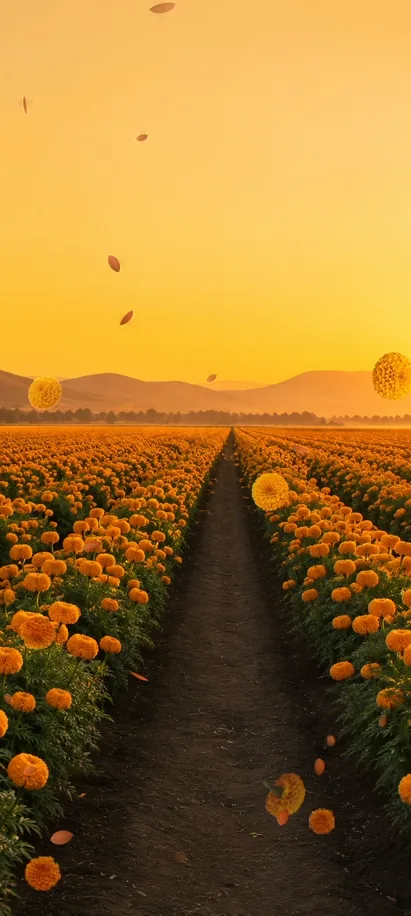
«The offering of flowers»
What a veintena is
One of the eighteen twenty-day stretches of the Mexica solar year. Eighteen of them make 360 days; five more — the nemontemi — close the 365. This is a different count from the 260-day one that gives the day-signs, and the two run at the same time.
What this one asks of you
To offer what is beautiful, and with the flower to remember whoever is gone.
The energy it is dedicated to is Huitzilopochtli.
The full entry is in Spanish, and here is why
What you have read above is this project's own summary of the veintena of Tlaxochimaco. The full entry — the part that rests on the sixteenth-century sources — has not been translated, and that is a decision rather than an omission.
We chose not to touch the primary text. Those sections quote Sahagún, Durán and the codices in their own words, often in sixteenth-century Castilian. A quotation carried across stops being a quotation: it loses the register, the ambiguity and the exact wording someone might want to check against a facsimile.
In Spanish the entry carries:
- Etimología
- Energías
- Rituales
- Sociedad
- Simbolismo
- Códices
- Ecología
- Vigencia hoy
- Interpretaciones modernas
Read the full entry in the original Spanish → Nahuatl names and terms are identical in both versions.
Ecology
The season
In qualitative terms the peak of the rains and the fullest bloom: the year at its point of greatest biological life, before the fruit begins to fall.
Symbolism
The flower and the dead
The two names name the two faces, and they meet: the flower — what is not eaten, only given — is what is offered to the dead. Beauty and memory in the same gesture.
Rituals
The central rite: flowers offered, at the height of the bloom. Not flowers to eat or to sell: flowers to give. The offering of what has no use, and is worth something for that reason.
Under its commoner name, Miccailhuitl, the veintena opens the season of the dead — the lesser feast that pairs with the greater one to come. The flowers offered are, in part, flowers for those who are gone.
The rains at their peak, the fields in fullest flower: the year at its most alive. It is then, not in the dry season, that the cycle turns towards the memory of the dead.
Alongside the flowers copal was burned in censers. Copalli is the resin of the copal-quahuitl, the copal tree, and its smoke perfumed the temples, by then swept and dressed for the feast. Among what was offered in this veintena the sources note cacao, wax, birds, seeds, copal and food — the flower and the smoke together, one falling and the other rising.
How to cite this page
Alma Mexica, «Tlaxochimaco», The eighteen veintenas. Revised 2026-09-17. https://almamexica.org/en/veintena/tlaxochimaco/